An Introduction to Coffee Processing Methods
Washed, natural, honey—learn how different processing methods affect the flavor of your coffee and what to expect from each.
Penulis: Harry Suryapambagya
Ditinjau oleh: BeanHub Editorial Team
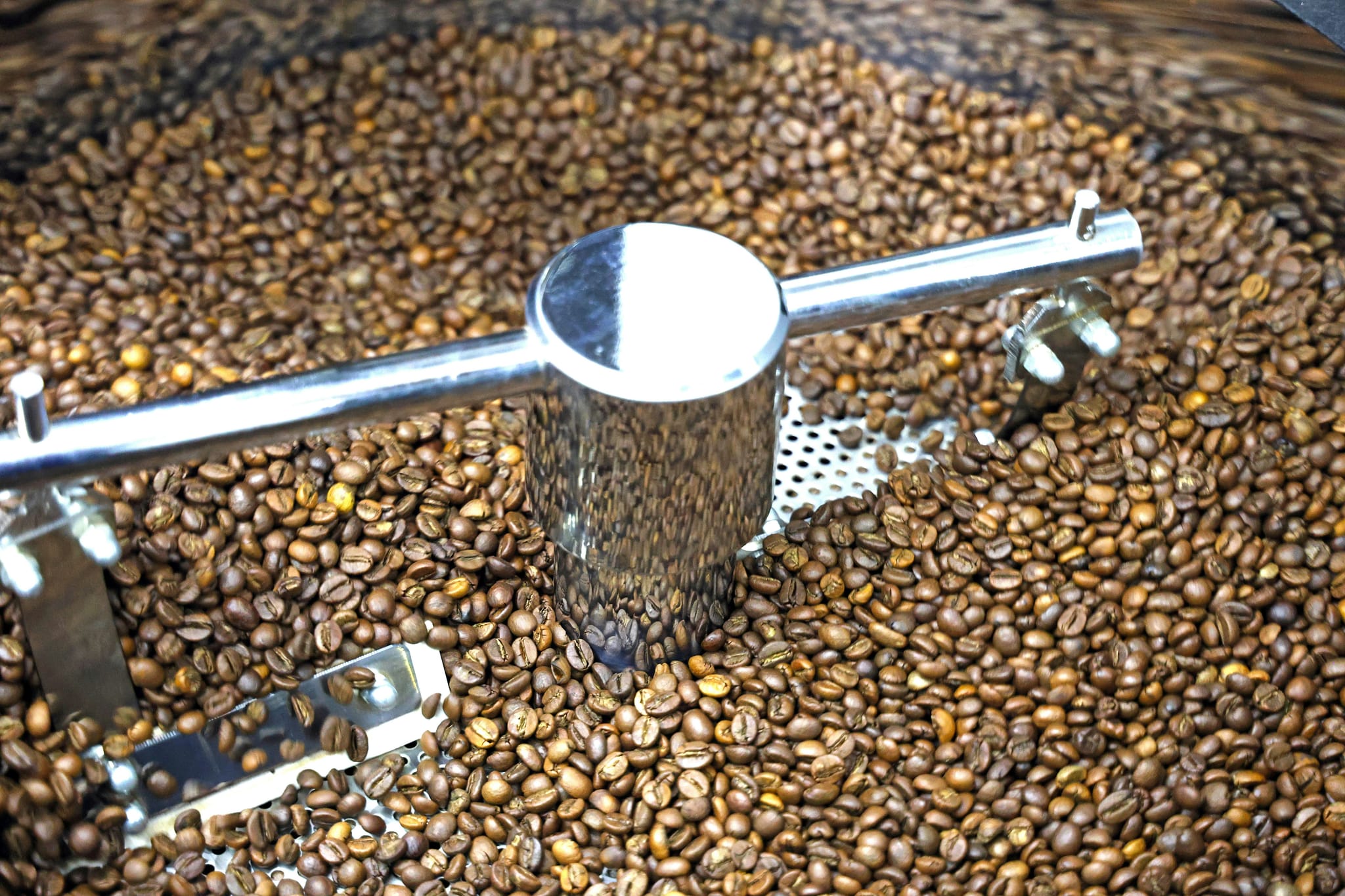
Photo by Babak Eshaghian on Unsplash · Unsplash License
Terms such as washed, natural, honey, and wet-hulled describe broad post-harvest process families. They help explain how coffee moved from fruit toward stable green coffee, but they do not outrank origin, variety, roasting, or brewing as universal predictors of flavor.
What Is Coffee Processing?
Coffee beans are actually seeds found inside a cherry-like fruit. Processing is the method used to remove the fruit and dry the seeds (beans) for roasting. Each method creates distinctly different flavor profiles.
The Main Processing Methods
1. Washed (Wet) Process
Washed processing removes the skin and mucilage before drying, using fermentation, mechanical demucilaging, washing, or a combination.
The Process:
- Cherries are pulped to remove the outer skin
- Mucilage is removed with the producer's chosen protocol
- Coffee is washed when that protocol calls for it
- Beans are dried on patios or raised beds
Flavor Profile:
- Clean and crisp
- Bright acidity
- Clear origin characteristics
- Tea-like or wine-like qualities
Washed is process information, not a “pure” version of the bean. Fermentation, washing, and drying also change the material that will later be roasted.
Best For: Those who appreciate clean, complex flavors and bright acidity.
2. Natural (Dry) Process
The oldest processing method, where the entire cherry dries around the bean.
The Process:
- Whole cherries are spread on patios or raised beds
- Dried in the sun for 2-4 weeks
- Turned regularly to prevent mold
- Dried cherry husk is removed mechanically
Flavor Profile:
- Fruity and wine-like
- Heavy body
- Lower acidity
- Sweet, berry-forward notes
- Can have fermented or funky characteristics
Quality Varies
Natural processing requires perfect conditions. Poor execution can lead to defects, but when done well, naturals are extraordinary.
Best For: Those who love fruity, bold, and unconventional flavors.
3. Honey (Pulped Natural) Process
A hybrid method that leaves some mucilage on the bean during drying.
The Process:
- Cherries are pulped (skin removed)
- Some or all mucilage remains on the parchment
- Beans dry with this sticky "honey" layer
- Producers may apply color labels to describe their protocol
Honey Types:
| Label | Possible use | Limitation |
|---|---|---|
| White / Yellow | A producer's drying and handling category | Not globally standardized |
| Red / Black | A producer's drying and handling category | Does not prove an exact mucilage percentage |
Flavor Profile:
- Sweet and balanced
- Medium body
- Moderate acidity
- Stone fruit and caramel notes
Best For: Those seeking balance between clean washed and fruity natural characteristics.
Experimental Processing Methods
The specialty coffee world is constantly innovating. Here are some newer methods:
Anaerobic Fermentation
Coffee ferments in a system intended to restrict oxygen. Vessel, temperature, time, microbes, and material vary, so the label alone does not predict intensity.
Carbonic Maceration
Borrowed from wine-making, whole cherries ferment in CO2-rich environments.
Extended Fermentation
Longer fermentation times (sometimes 100+ hours) develop complex flavors.
Tasting Tip
When trying experimental processed coffees, approach with an open mind. The flavors can be surprising—tropical fruits, boozy notes, or even savory characteristics.
How to Choose Based on Processing
Here's a quick guide based on your preferences:
If you like clean, bright flavors: → Washed
If you want fruity, bold flavors: → Natural
If you prefer balanced sweetness: → Honey
If you're adventurous: → Try experimental processes!
Processing and Brewing
Processing does not prescribe a brewing method:
- these process families can be prepared as filter, immersion, espresso, or cold extraction
- choose from the actual Roast Level, recipe, Flavor Notes, and your preference
The Bottom Line
Processing is one contributor to coffee flavor. Research comparing defined post-harvest treatments supports measurable differences in specific samples; those results should not be generalized into guaranteed profiles for every coffee.
Use BeanHub's Bean Directory to inspect whatever processing information a listing provides. Missing fields remain undisclosed rather than being filled by assumption.
Want to learn more about coffee? Check out our guide to what makes specialty coffee special.


